
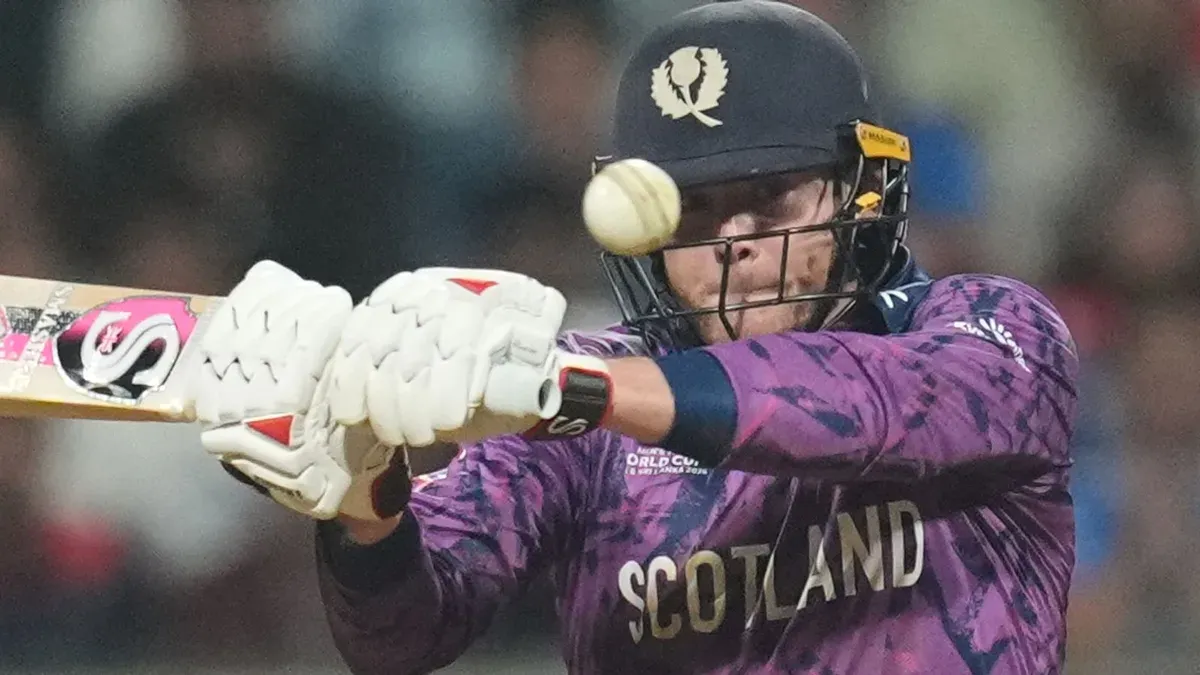
Cricket Scotland and the Royal Dutch Cricket Association (KNCB) have released a joint statement condemning the International Cricket Council’s decision to overhaul the format of the 2027 Men’s ODI World Cup, warning the changes damage the credibility of international cricket. The criticism arrives less than 18 months before the tournament, which is set to be co-hosted by South Africa, Zimbabwe and Namibia.
The ICC announced the format changes at a board meeting in Edinburgh last month. While 14 teams will still participate in total, the main group stage will now feature only 12 nations divided into two pools of six. The three lowest-ranked qualifiers — those finishing 12th, 13th and 14th in the qualification process, will instead contest a preliminary Super Series tri-series, with only one side advancing. The other two are eliminated after playing just two matches each.
What the New Format Means for Associate Nations
Scotland and the Netherlands sit 13th and 14th respectively in the men’s ODI rankings, meaning both face the prospect of entering that preliminary round rather than going directly into the main group stage. A separate qualifying tournament, running from 22 February to 23 March next year, will determine those positions, with the qualifying winner advancing directly to the group stage.
According to reporting by Sky Sports and Reuters via Global Banking & Finance Review, the two boards argued in their joint statement that the restructure sets back Associate Member cricket and risks reversing recent progress in growing the global game. They said that reducing competitive opportunities for emerging nations at a time when cricket is trying to expand its reach and attract new audiences sends entirely the wrong message.
Boards Accuse ICC of Ignoring Their Concerns
The criticism extends beyond the format itself. As the Independent reported, Cricket Scotland, the KNCB and other Associate Members held two meetings with the ICC following the announcement, requesting formal written communication on the changes and greater clarity on the processes involved. They also asked for input into future operational decisions and access to bilateral planning meetings with Full Members.
No response has come. The two boards described the ICC’s silence for more than two weeks since that second meeting as disappointing and disrespectful given the significance of the issues raised.
Wider Backlash Among Associate Nations
Monday’s statement is not the first sign of discontent. Sky Sports noted that the World Cricketers’ Association had previously raised similar concerns about the overhaul, with captains from Namibia, the Netherlands and Scotland all expressing unease through the players’ union last month. Despite this, Cricket Scotland and the KNCB stressed they remain committed to working constructively with the ICC and other members to strengthen the game globally.
The two boards called for stronger governance, transparent decision-making and proper engagement with associate members going forward.